U.S. Navy Concerned About Vulnerability of Ballistic Missile Submarines to Drone and Rocket Attacks

Summary
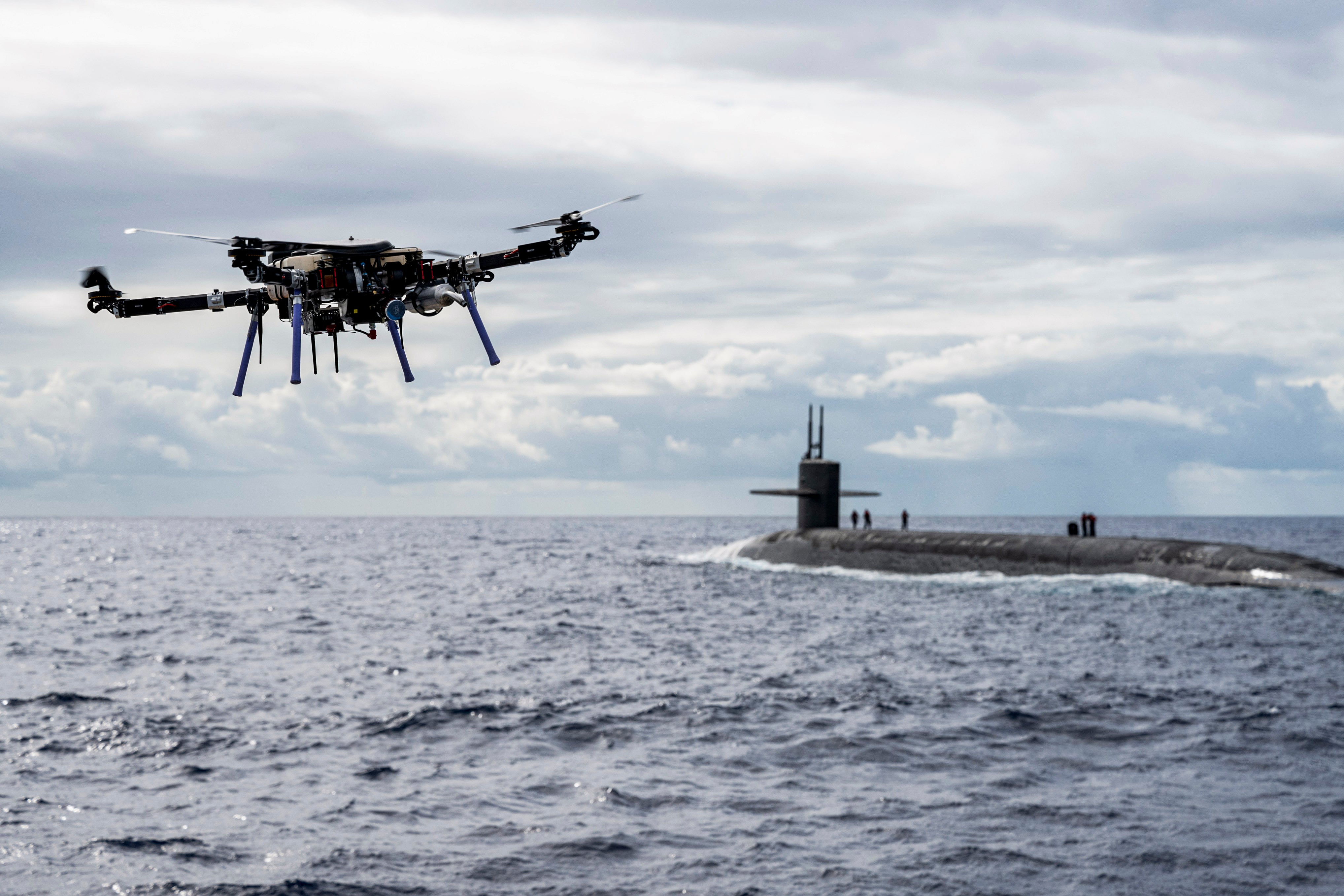
The U.S. Navy is increasingly concerned about the vulnerability of its nuclear ballistic missile submarines (SSBNs) when they are in port or transiting on the surface, as emerging threats from drones, mines, and anti-tank weapons pose significant risks to these strategic assets. The reality of these threats was demonstrated when Ukraine reportedly used an underwater drone to damage a Russian submarine in a Black Sea port, validating scenarios that were once considered fictional. In response, the Navy is actively seeking prototype technologies capable of detecting, tracking, and neutralizing unmanned systems across multiple domains, as well as advanced maritime situational awareness tools to protect submarines during port transits. The Navy's Strategic Systems Program has identified 22 focus areas for security improvements, including the use of unmanned surface and ground vehicles, AI countermeasures, and active protection systems for truck convoys transporting ICBMs. Additionally, the Navy is pursuing technologies to reduce submarines' detectable signatures across acoustic, electromagnetic, and other signal types to maintain stealth as the first and most effective line of defense.
Key Takeaways
- 1. U.S. Navy ballistic missile submarines are most vulnerable when in port or transiting on the surface, where they can be targeted by drones, mines, and anti-tank weapons like ATGMs and RPGs
- 2. Ukraine's successful underwater drone strike on a Russian submarine has validated previously theoretical threats and accelerated U.S. defensive planning
- 3. The Navy is developing multi-layered defenses including unmanned patrol vehicles, AI-driven countermeasures, and harbor sensors to protect strategic submarine bases and assets
- 4. Active protection systems are being explored for ground convoys transporting ICBMs, recognizing that threats extend beyond the water to land-based operations
- 5. Signature reduction technologies remain a top priority, as keeping submarines undetected across acoustic, electromagnetic, and other signal types is considered the most effective defensive strategy